

When a tv sequence turns into a full-fledged hit, creatively and/or commercially, quite a lot of strain is instantly positioned on its showrunner, writers, and producers to maintain their viewers engaged. The trick for these creatives is to present viewers extra of what they love whereas additionally holding the present from rising stale — however how one can go about this has modified drastically through the years, notably for sitcoms.
When individuals tuned into sequence like “The Dick Van Dyke Present,” “The Odd Couple,” and “The Bob Newhart Present,” they weren’t eagerly anticipating the subsequent chapter in an ongoing narrative as they did/do with fashionable sitcoms like “Arrested Growth,” “Curb Your Enthusiasm,” and “Georgie & Mandy’s First Marriage.” Whereas these older exhibits did characteristic characters trying to attain sure goals over the course of a number of seasons, viewers typically saved coming again simply to see very good comedic ensembles generate massive laughs. And so long as the scores have been ok to please the community, all they wanted was to not throw gunk within the well-oiled gears.
And but there have been myriad situations all through the historical past of tv of profitable sitcoms needlessly overreaching with Very Particular Episodes. Typically, producers really feel the necessity to generate severe dialogue relating to an necessary situation (racism, dependancy, elevator etiquette); different occasions, they merely really feel like letting ‘er rip with a two-part occasion that’ll have everybody yapping. When it really works, you find yourself with “Good-Bye, Radar” on “M*A*S*H.” Whenever you roll snake eyes, you get the three-part catastrophe that’s the “Hollywood” saga on “Completely happy Days” and fell a Nielsen scores Goliath.
When the “Hollywood” three-parter kicked off “Completely happy Days” season 5, the Garry Marshall-created sitcom was the primary present on tv. For no matter purpose, the nostalgia-drenched sequence determined it could be enjoyable to yank the present’s solid out of Nineteen Fifties Milwaukee and set them free on the showbiz capital. It was a can’t-miss TV spectacular that constructed to a climax so totally ridiculous (and antithetical to the present’s important relatability) that, many years later, it spawned a euphemism for the purpose in a sequence’ run the place all the things goes downhill.
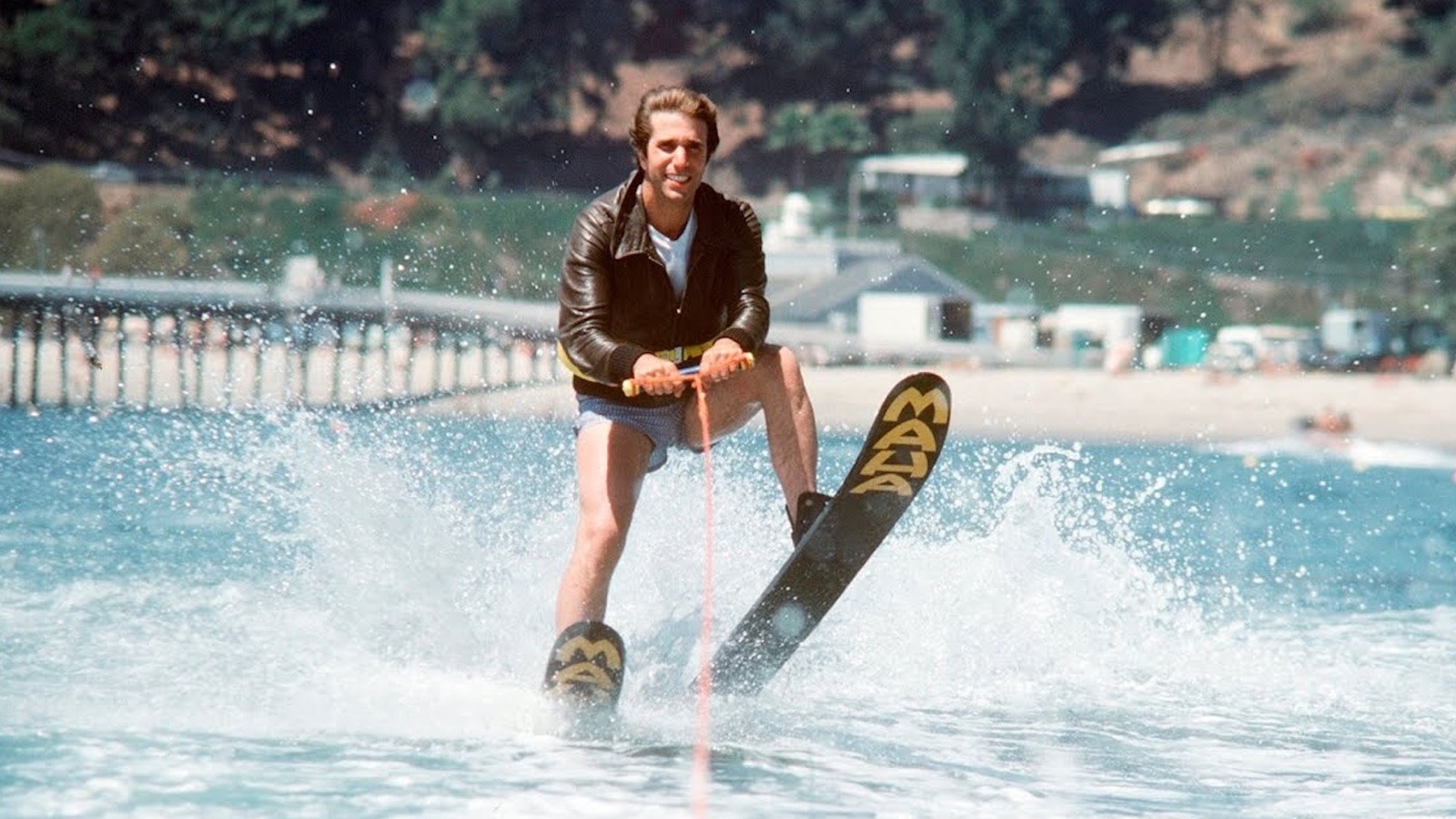
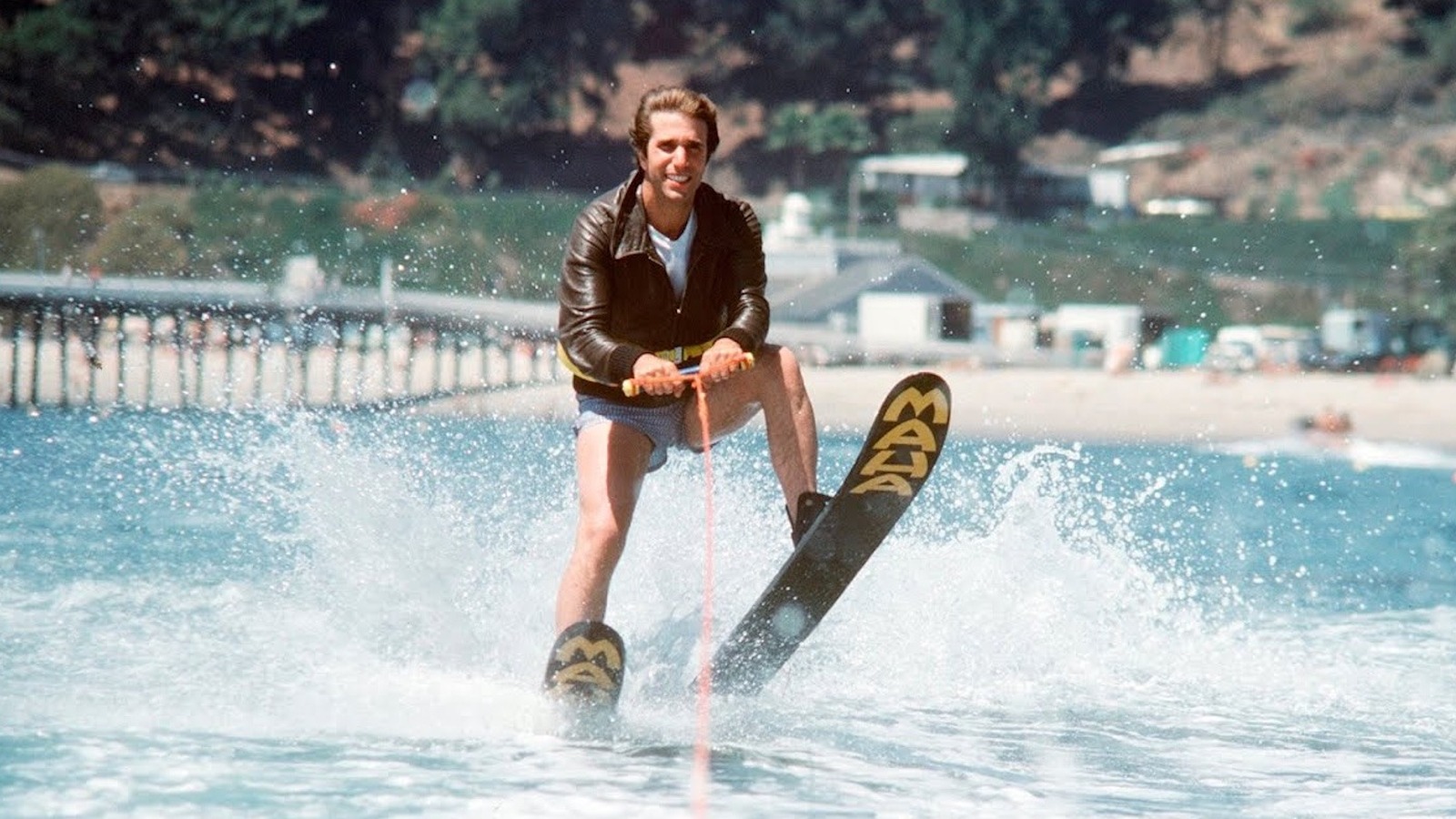
Sure, that is the place “leaping the shark” got here from — and it actually refers to a second the place the present’s hottest character, Arthur “Fonzie” Fonzarelli (Henry Winkler), throws on water skis and jumps a Tiger Shark within the Pacific Ocean. If this sounds ridiculous, it was. Why did the sequence’ creatives do that, and did it actually kill “Completely happy Days?”
When a tv sequence turns into a full-fledged hit, creatively and/or commercially, quite a lot of strain is instantly positioned on its showrunner, writers, and producers to maintain their viewers engaged. The trick for these creatives is to present viewers extra of what they love whereas additionally holding the present from rising stale — however how one can go about this has modified drastically through the years, notably for sitcoms.
When individuals tuned into sequence like “The Dick Van Dyke Present,” “The Odd Couple,” and “The Bob Newhart Present,” they weren’t eagerly anticipating the subsequent chapter in an ongoing narrative as they did/do with fashionable sitcoms like “Arrested Growth,” “Curb Your Enthusiasm,” and “Georgie & Mandy’s First Marriage.” Whereas these older exhibits did characteristic characters trying to attain sure goals over the course of a number of seasons, viewers typically saved coming again simply to see very good comedic ensembles generate massive laughs. And so long as the scores have been ok to please the community, all they wanted was to not throw gunk within the well-oiled gears.
And but there have been myriad situations all through the historical past of tv of profitable sitcoms needlessly overreaching with Very Particular Episodes. Typically, producers really feel the necessity to generate severe dialogue relating to an necessary situation (racism, dependancy, elevator etiquette); different occasions, they merely really feel like letting ‘er rip with a two-part occasion that’ll have everybody yapping. When it really works, you find yourself with “Good-Bye, Radar” on “M*A*S*H.” Whenever you roll snake eyes, you get the three-part catastrophe that’s the “Hollywood” saga on “Completely happy Days” and fell a Nielsen scores Goliath.
When the “Hollywood” three-parter kicked off “Completely happy Days” season 5, the Garry Marshall-created sitcom was the primary present on tv. For no matter purpose, the nostalgia-drenched sequence determined it could be enjoyable to yank the present’s solid out of Nineteen Fifties Milwaukee and set them free on the showbiz capital. It was a can’t-miss TV spectacular that constructed to a climax so totally ridiculous (and antithetical to the present’s important relatability) that, many years later, it spawned a euphemism for the purpose in a sequence’ run the place all the things goes downhill.
Sure, that is the place “leaping the shark” got here from — and it actually refers to a second the place the present’s hottest character, Arthur “Fonzie” Fonzarelli (Henry Winkler), throws on water skis and jumps a Tiger Shark within the Pacific Ocean. If this sounds ridiculous, it was. Why did the sequence’ creatives do that, and did it actually kill “Completely happy Days?”